In short
- Soviet irrigation projects in the 1960s diverted its water.
- The water receded over 150 kilometers from Moynaq.
- The exposed seabed created a 60,000-square-kilometer desert.
In this article
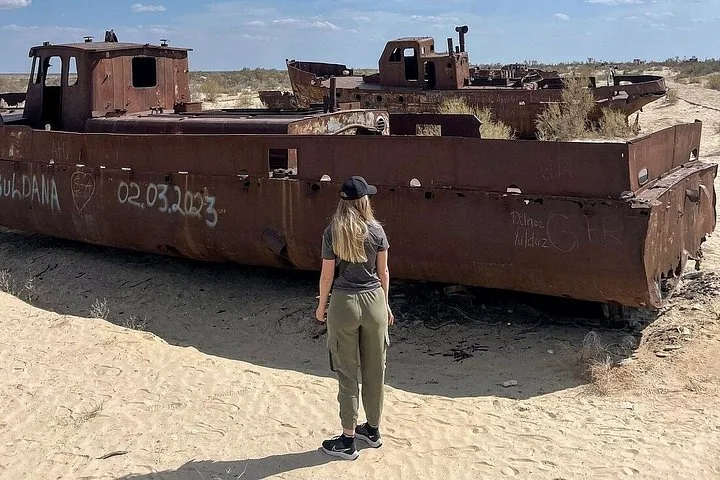
When you stand at the Moynaq Ship Cemetery, you look out over an immense desert. This area was completely underwater just a few decades ago. Understanding the history of this ecological disaster is essential before you visit the region.
What caused the Aral Sea to dry up?
The Soviet Union diverted the rivers feeding the Aral Sea in the 1960s to grow cotton.
The agricultural irrigation projects siphoned water away from the sea. Without this inflow, the water evaporated faster than it could be replenished. Over the following decades, the shoreline retreated rapidly across the region.
How much of the Aral Sea is left?
The sea is now less than 10 percent of its original 1960 size.
The water is now approximately 150 kilometers away from the former port town of Moynaq. The exposed land is called the Aralkum Desert. It covers over 60,000 square kilometers of toxic, salty terrain.
What happened to the local fishing industry?
The fishing industry collapsed entirely as the water disappeared.
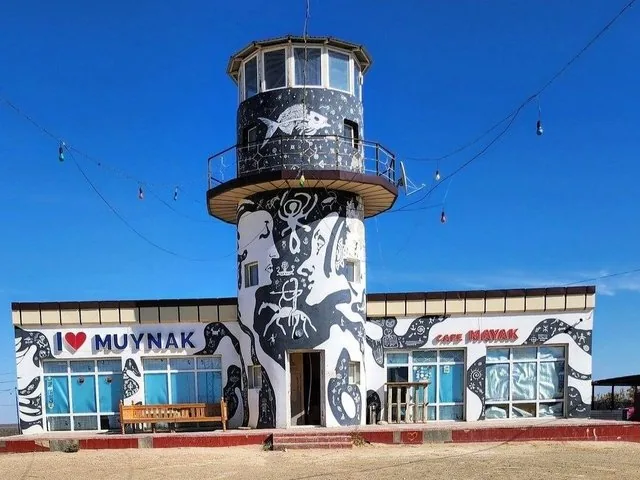
Moynaq was once a busy fishing port with a large fish cannery. As the sea dried up, the fish died. You can see artifacts from the abandoned cannery and watch a 10-minute documentary at the local Aral Sea Museum.
Why are there ships in the desert?
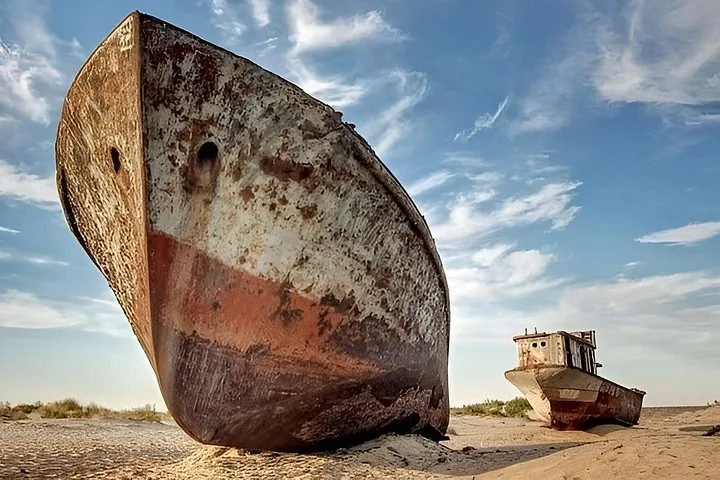
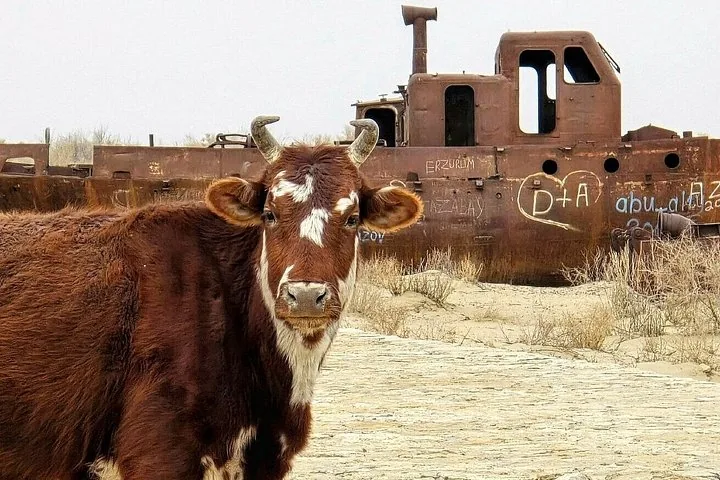
Fishing boats were left stranded on the sand when the water receded too fast.
Today, about 11 rusted Soviet-era fishing boats sit directly below the former Moynaq lighthouse viewpoint. Climbing on these ships is dangerous due to sharp metal and structural instability. Treat the area with respect.
Can you still see the water today?
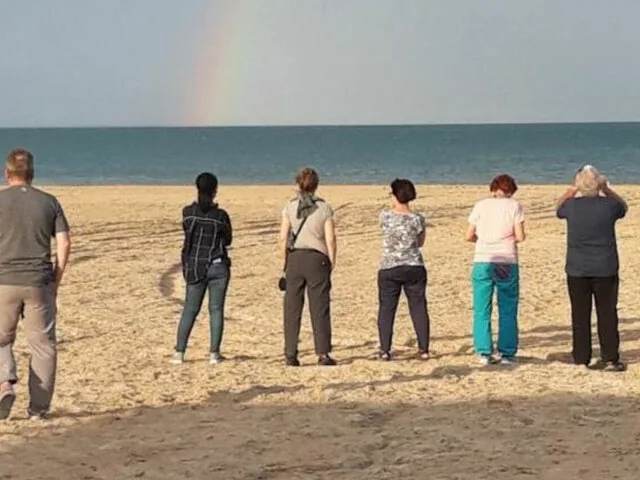
Yes, but reaching the surviving western basin requires a multi-day 4WD tour.
Guided tours typically span two to three days and cover over 350 kilometers of off-road driving. You cannot attempt this drive without a 4WD vehicle, extra fuel, and a local guide. The Ustyurt Plateau features 150-meter limestone cliffs dropping down to the remaining water.
Questions travellers ask
How far is the water from Moynaq?
The current shoreline is about 150 kilometers away from the town.
Is the Aral Sea completely gone?
No. A surviving stretch of hyper-saline water remains in the western basin, bordered by the Ustyurt Plateau.
Why did the Aral Sea dry up?
Disastrous 1960s Soviet irrigation projects diverted the feeding rivers to agricultural fields.